LinkedIn has introduced a comprehensive 55-page B2B branding guide in partnership with the Ehrenberg-Bass Institute, stressing that sustainable brand growth depends on strategic presence, prominence, and portfolio. Designed especially for B2B marketers including those in SaaS the guide urges brands to be visible and accessible across the right physical and digital channels, drawing a parallel to B2C shelf space as a key influence on purchasing decisions. It emphasizes aligning brand presence with where buyers actively seek information, maintaining discoverability through both paid (rented) and organic (owned) visibility, and ensuring offerings directly solve buyer needs at critical points in their journey. Grounded in real-world LinkedIn data and industry research, the guide positions physical availability and long-term brand equity not just campaign-driven visibility as core drivers of B2B success in today’s channel-fragmented landscape.
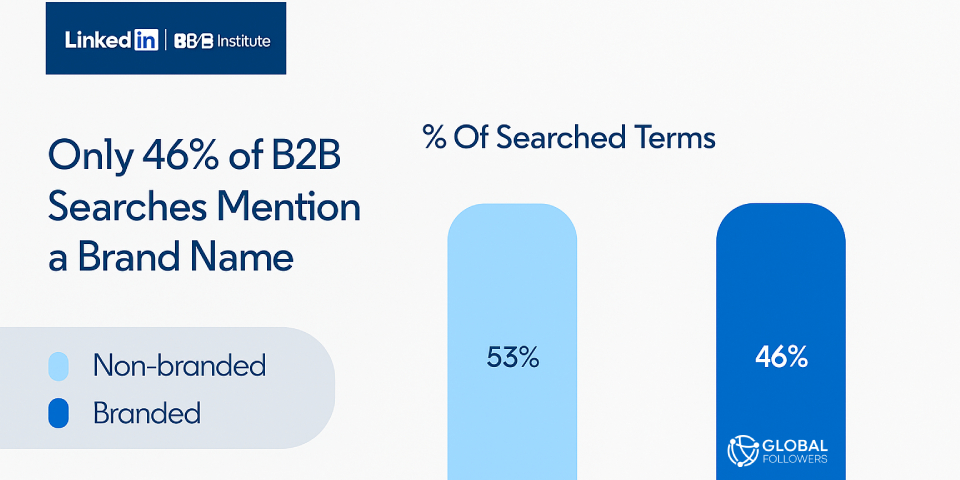
The Three Pillars of B2B Branding
LinkedIn’s guide organizes its recommendations into three strategic pillars:
1. Presence: Show Up Where Your Customers Are
B2B buyers search for information across many channels websites, industry publications, trade shows, social platforms, and more. To capture demand, brands must understand where their category’s customers seek information insights often revealed through tools like LinkedIn followers insights and well-defined buyer personas.
This revenue-based approach helps marketers pinpoint which channels deserve the strongest investment.
Additionally, the guide touches on trade shows and in-person events still powerful discovery and relationship-building channels in B2B. The takeaway is clear: research your category deeply, identify where your buyers actually spend time, and invest in those arenas. This is especially true for brands leveraging employee advocacy and executive branding to extend organic reach across networks.
2. Prominence: Be Easy to Find
Once you’ve established presence, the next step is to ensure your brand is easily discoverable.
LinkedIn distinguishes between two types of brand visibility:
- Rented prominence – Short-term visibility gained through paid channels (e.g., sponsored search ads).
- Owned prominence – Long-term visibility built through content, community, and positive brand associations.
To strengthen owned prominence, LinkedIn highlights strategies such as:
- Thought leadership
- Consistent organic content
- Community engagement
- Strong, memorable brand positioning
These efforts build a foundation of familiarity and trust that persists regardless of ad spend, helping brands strengthen social selling strategies and reduce overreliance on sponsored content as their primary visibility driver.
3. Portfolio: Meet Customers’ Needs Across Their Journey
The third pillar focuses on ensuring your brand’s offerings clearly address the primary needs of your target audience.

LinkedIn has cemented its role in 2025 as the world’s leading professional networking platform, with over 1.1 billion users globally and a deeply enga...
While this section is not as prominently covered in the excerpt, the overarching point remains: successful B2B brands maintain a portfolio that solves meaningful problems at key moments in the buyer journey. This alignment leads to more conversions and stronger brand relevance over time—particularly in sectors like B2B SaaS marketing, where product differentiation and targeted messaging are essential.
Putting It All Together
LinkedIn’s new B2B branding guide reinforces a powerful message: brands grow when they are present, prominent, and purposeful. For marketers, this means:
- Prioritizing always-on visibility in the places your buyers look.
- Building long-term equity through owned prominence, not just paid tactics.
- Offering solutions that directly match the needs of your category’s buyers.
B2B branding is no longer just about running ads or posting occasionally on social platforms. It’s about creating a cohesive ecosystem of visibility and value, ensuring your brand is both discoverable and trusted when buyers seek it.
If you want to dive deeper, the full 55-page report is available for download well worth exploring for any B2B marketer building a growth-focused strategy.

No comments to show.